
Every company runs on two kinds of data: performance data and people data. Performance data tells you what’s happening—revenue, output, sales. People data tells you why it’s happening—engagement, culture, and motivation.
Employee feedback is the connective tissue between the two. It’s the signal behind the metrics. It reveals what’s fueling performance or quietly draining it.
When organizations fail to listen, they lose their ability to anticipate problems. Small frustrations grow into burnout. Great ideas go unspoken. Cultural misalignments deepen. By the time leadership notices, the damage is already done.
Ignoring employee feedback is like ignoring an engine warning light. You can still drive the car, but it’s only a matter of time before it breaks down.
The Tangible Costs of Disengagement and Silence
1. Lost Productivity
When employees don’t feel heard, motivation drops—and productivity follows. Gallup found disengaged employees are 18% less productive and 81% more likely to call in sick.
That decline isn’t isolated to individuals. It spreads across teams. When a few employees check out, others pick up the slack, creating resentment and burnout. Over time, performance lags, collaboration suffers, and output stalls.
Engaged employees don’t just work harder; they care more deeply. They see their role in the bigger picture. When their voice matters, they bring their best effort.
2. Turnover and Recruiting Costs
Research from Seramount shows nearly half of employee turnover comes down to cultural issues. That means many employees don’t leave because of pay—they leave because no one’s listening.
The financial impact is staggering. The Society for Human Resource Management estimates replacing an employee costs 50% to 200% of their annual salary, depending on the role. That includes recruiting, onboarding, lost productivity, and time to ramp.
When feedback is ignored, exit interviews become the only time employees feel safe telling the truth. By then, the opportunity to fix the issue is gone.
3. Declining Innovation and Creativity
Innovation thrives where people feel safe to speak up. But when feedback is consistently overlooked, creativity dries up. Employees stop offering ideas and stick to what’s safe.
A study from Psico-Smart found that organizations that neglect employee experience see a direct drop in innovation and problem-solving. In other words, ignoring feedback doesn’t just cost engagement—it slows growth.
When people feel heard, they contribute more freely. They share better ideas. They collaborate across teams. Listening isn’t just about empathy—it’s about unlocking competitive advantage.
4. Reputational Damage and Employer Brand
In today’s world, employees don’t stay quiet when they’re unhappy. They share their experiences on platforms like Glassdoor and LinkedIn, where potential candidates can see them instantly.
A pattern of ignored feedback or poor communication can shape your company’s reputation for years. Talented people avoid workplaces known for silence, and customers pick up on cultural dysfunction too.
Ignoring feedback doesn’t just hurt your current team—it limits who will want to join you in the future.
The Human Cost: How Silence Erodes Culture
Beyond financial losses, the emotional and cultural toll of ignored feedback is immense. When employees realize their voices don’t matter, they stop speaking up entirely.
That silence creates three dangerous outcomes:
-
Cynicism: Employees assume leadership doesn’t care.
-
Low trust: Workers stop sharing honest opinions.
-
Disengagement: People show up, but mentally check out.
Culture lives or dies by how leadership listens. When communication turns one-sided, it teaches employees that honesty is risky and effort isn’t rewarded. Over time, a once-open culture becomes one of quiet frustration.
Why Organizations Fail to Act on Feedback
If most leaders agree feedback is valuable, why do so many struggle to act on it?
Feedback without follow-up
The biggest reason is lack of closure. Employees share feedback, but never hear what happens next. Without acknowledgment or visible action, they stop participating in future surveys.
Data without context
Scores and charts look neat in reports but rarely explain the “why” behind employee sentiment. The most useful insights often live in written comments that are hard to analyze manually, so they’re often ignored.
Fear of difficult truths
Sometimes leaders avoid employee feedback because it’s uncomfortable. It might reveal mismanagement, low morale, or structural problems. But the most uncomfortable data is usually the most valuable.
Outdated listening methods
Annual surveys can’t keep up with the pace of modern work. Culture shifts constantly. Employees want real-time ways to share what they’re feeling, not a once-a-year survey that takes months to analyze.
Listening once a year is like checking your pulse once a year. It doesn’t tell you much about your health.
What Continuous Listening Looks Like
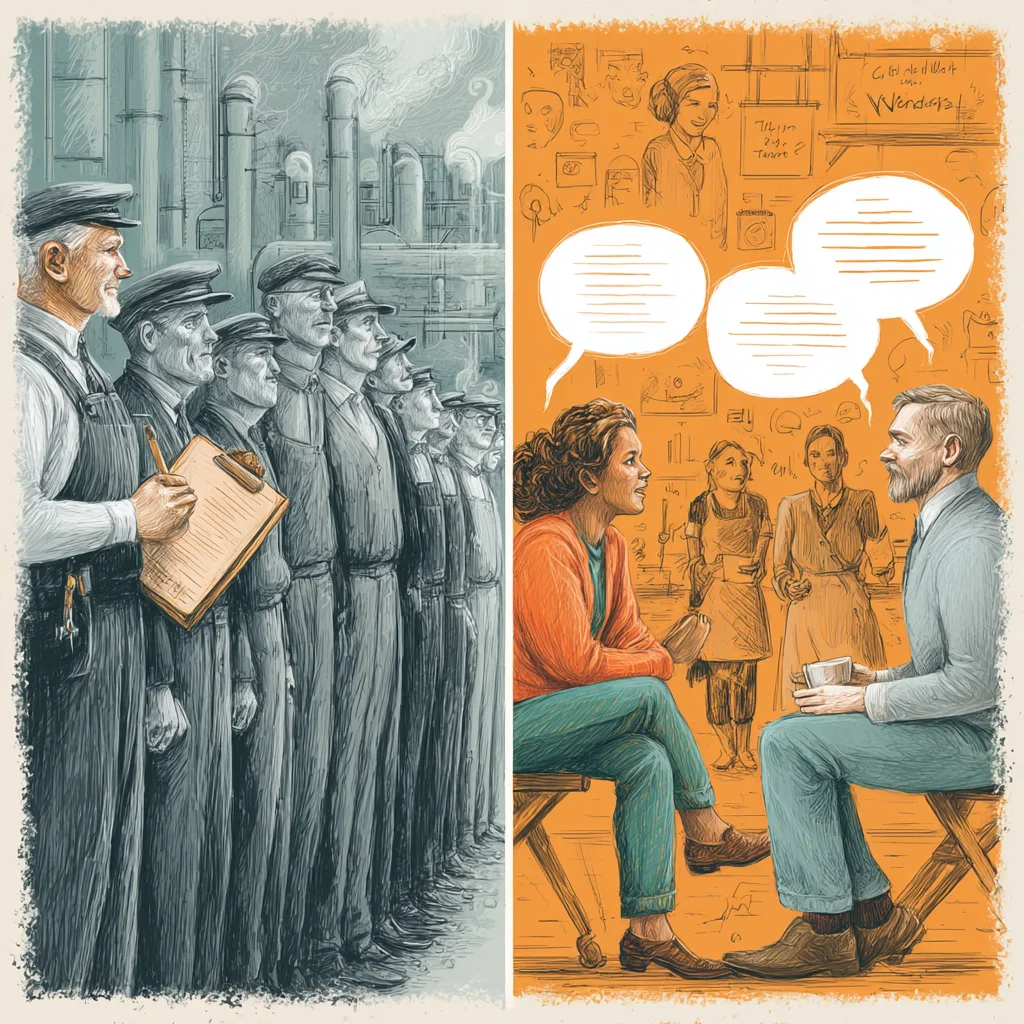
Continuous listening is the practice of collecting, analyzing, and acting on feedback in real time. It’s not just another survey—it’s an ongoing system of connection between employees and leadership.
When done right, it helps HR leaders stay informed, proactive, and responsive.
Short, frequent feedback loops
Replace long, cumbersome surveys with smaller, targeted check-ins. Ask fewer questions more often. These micro-moments make it easier for employees to share what’s relevant now, not months later.
Real-time insights
Use AI-driven analysis to detect themes and sentiment from open-text feedback. When you can see emerging issues as they happen, you can intervene early instead of reacting late.
Transparency and follow-up
Close the loop with clear communication: here’s what we heard, here’s what we’re doing, and here’s what comes next. Even if change takes time, transparency shows employees that their feedback matters.
Empowering managers
Managers play the most direct role in engagement. Give them access to insights so they can act at the team level. Small, timely actions from managers build trust far faster than top-down initiatives.
Building safety and trust
Employees only speak honestly when they trust their privacy. Make feedback channels anonymous and clearly communicate how data will be used. A safe environment encourages truth—and truth drives growth.
The ROI of Listening and Acting
When companies act on feedback, the results show up in measurable ways.
-
Higher productivity: Engaged employees are 17% more productive on average.
-
Better retention: Teams that feel heard see up to 40% lower turnover.
-
Faster innovation: Listening cultures generate more ideas and adapt to change faster.
Stronger customer experience: Happy employees create better service, which drives loyalty and revenue.
Every insight you act on improves not just morale, but performance. Listening isn’t a soft skill—it’s a strategy.
Why Continuous Listening Is the Future of HR Strategy
The modern workforce expects more than an annual survey and a town hall. Employees want open communication, immediate action, and visible accountability.
Continuous listening transforms HR from a support function into a strategic one. It helps organizations predict challenges, identify cultural shifts, and strengthen trust before issues escalate.
It also gives leaders real-time context to decisions. Instead of waiting for quarterly reports, they can track how new initiatives, policies, or leadership changes affect morale in the moment.
When HR has real-time cultural intelligence, it becomes a business growth driver—not just an administrative department.
How Hoogly Helps Companies Turn Feedback Into Action
That’s where Hoogly comes in.
Hoogly was built to help organizations listen continuously, respond quickly, and protect employee trust. It’s a next-generation feedback platform designed for privacy, insight, and real-time action.
Here’s what it delivers:
-
Continuous listening: Capture real-time sentiment across departments, projects, and key moments in the employee journey.
-
AI analysis: Turn open-text feedback into clear insights without hours of manual review.
-
Privacy-first feedback: Encourage honesty through anonymous channels that protect employee identities.
-
Actionable dashboards: Give leaders the clarity to identify trends, act quickly, and communicate results transparently.
Hoogly turns employee feedback from static survey data into a living source of intelligence. Instead of reacting to disengagement, you can prevent it. Instead of guessing what’s wrong, you can see it clearly.
Turning Feedback Into a Strategic Advantage
Ignoring employee feedback has never been more costly. It drains productivity, fuels turnover, and damages culture in ways that ripple across the business. But the solution isn’t more surveys, it’s better listening.
Continuous listening helps companies close the gap between what employees feel and what leaders know. It transforms feedback from a formality into a strategy.
When you treat employee voice as a business resource, engagement becomes a competitive advantage. Teams feel connected, leaders stay informed, and the culture grows stronger with every conversation.
If you’re ready to evolve from collecting feedback to truly understanding it, Hoogly can help.
Explore how Hoogly helps you move beyond pulse surveys and build a culture of continuous insight.